
Corridor
Industrial property — Ipswich & Western Corridor, Brisbane
Direct answer
The Ipswich & Western Corridor is South-East Queensland's fastest-growing western industrial region, running along the Ipswich Motorway and the Cunningham and Warrego highways from the Brisbane boundary through to Ipswich's historic rail heartland. Built on more than 150 years of railway and manufacturing heritage, it now combines defence-sector manufacturing, established logistics estates and large-scale enterprise parks with one of Queensland's fastest-growing populations. Walter Taylor invests in and holds single-tenant industrial assets across the corridor for the long term.
The corridor
Why this corridor matters
Few industrial corridors in Australia carry the layered history of Ipswich and its surrounding suburbs. Queensland's first railway ran from Ipswich to Grandchester in 1865, and the North Ipswich Railway Workshops that followed became one of the largest industrial undertakings in the state — at their wartime peak employing around 3,000 people and, over more than a century, building some 218 steam locomotives and thousands of carriages. That workshop tradition did not disappear; it relocated and modernised, most visibly at Redbank, where new railway workshops opened in 1958 and the rail heritage of the corridor now sits alongside sovereign defence manufacturing and motorway-scale logistics. Industry here was not imported — it was built, generation after generation, on the same land.
What has changed is the scale of growth layered on top of that heritage. The Ipswich Motorway is one of Queensland's three busiest freight corridors, carrying tens of thousands of vehicles a day between Brisbane, the Port of Brisbane, Brisbane Airport and the Darling Downs, while the Cunningham and Warrego highways extend that reach west toward Toowoomba, the future Inland Rail terminals and, ultimately, the rest of the country. Ipswich is among the fastest-growing local government areas in Queensland, and that population growth is now feeding directly into industrial demand — logistics operators need to be near the households and businesses they serve, and manufacturers need a deep, growing local workforce.
The corridor's character is genuinely mixed, which is a strength rather than a weakness. Redbank pairs a major motorway logistics estate with sovereign defence manufacturing. Bundamba carries an established general and heavy industrial base radiating off Hume Drive. Swanbank has reinvented a former power station precinct into an energy, waste-recovery and enterprise-park landscape. Carole Park is a mature, purpose-planned industrial estate contiguous with Brisbane's own Wacol logistics precinct. And smaller pockets such as Wulkuraka retain a specialised rail-servicing role on the western fringe. Few corridors offer this breadth of asset type and occupier profile within a single, well-connected geography.
For a permanent-hold investor, the Ipswich & Western Corridor combines two qualities that rarely coincide: genuine land availability for large-format development, and decades of proven industrial use that de-risks the fundamentals. Walter Taylor's interest here is in the single-tenant assets that sit at the centre of an occupier's operations — acquired through sale-and-leaseback, purpose-built development or direct acquisition, then held and actively managed for the long term, working alongside the commercial agents who know these estates best.
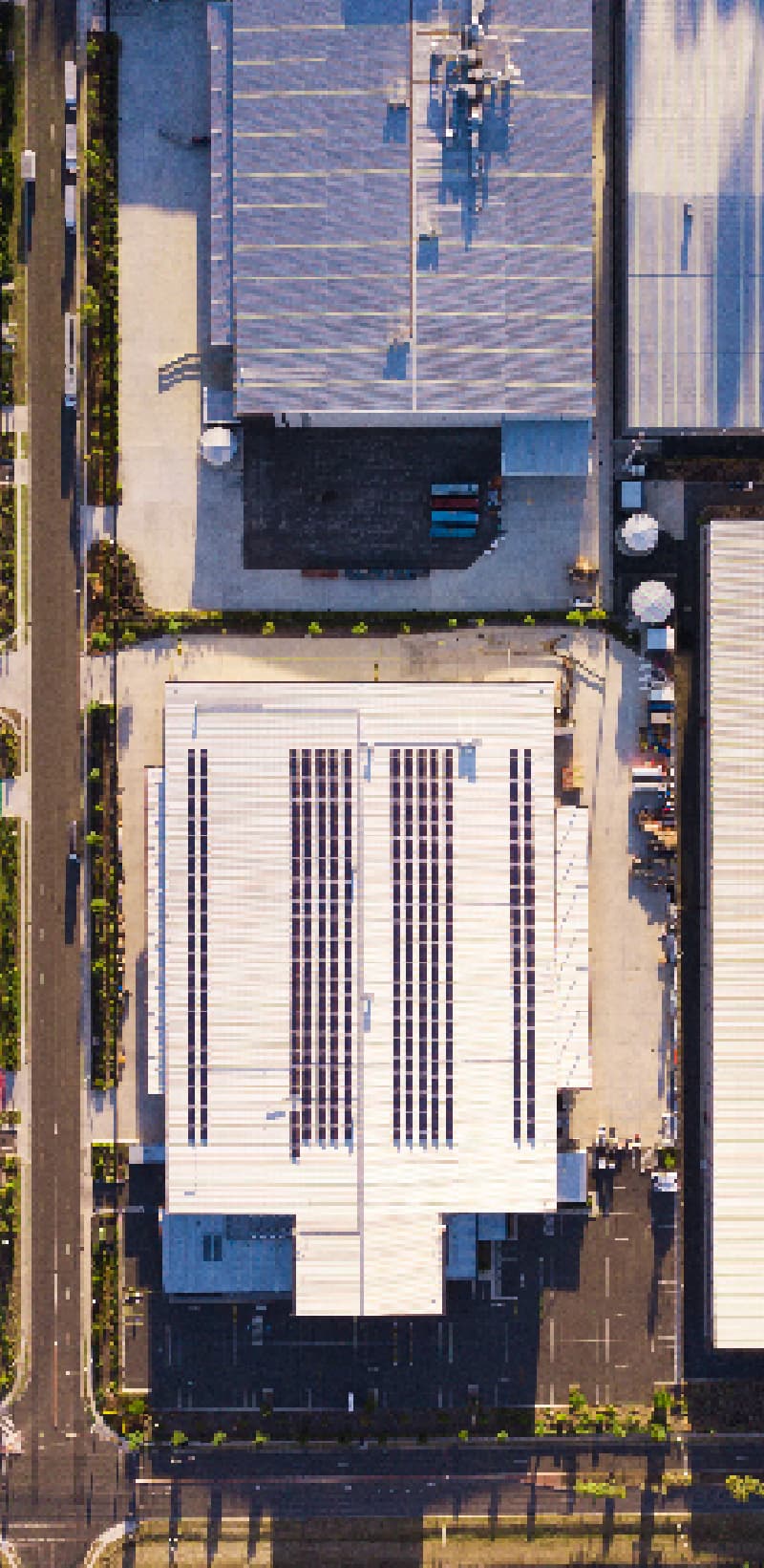
Suburbs in this corridor
Where we go deep
Redbank
Motorway logistics, freight, defence manufacturing
Bundamba
General & heavy industrial, distribution, business parks
Swanbank
Enterprise park, energy, waste & resource recovery, manufacturing
Carole Park
Established general industrial, distribution, trade supply
Also in this corridor
How we partner
Three ways we partner in the Ipswich & West
Sale & leaseback
Own your premises here? Release the capital and lease it straight back on a long-term basis.
Learn more →Build / develop-to-suit
Need a facility that doesn't exist yet? We fund, build and hold it — then lease it to you.
Learn more →Acquire-to-suit & lease
Outgrowing your space? We acquire the building that fits your requirement and lease it to you.
Learn more →Ipswich & West — questions
What suburbs make up the Ipswich & Western Corridor?
Why is this corridor growing so quickly?
What kind of industrial and manufacturing activity happens in this corridor?
Does Walter Taylor invest in the Ipswich & Western Corridor?
Start a conversation
Tell us your requirement
Talk to us directly about the premises your business needs — to outgrow, to free up capital, or to have built. One conversation with the people who decide.
We work with agents. If you’re an agent with a tenant requirement you can’t place or an off-market opportunity, bring it to us.