
Corridor
Industrial property — Outer South-West / Growth, Brisbane
Direct answer
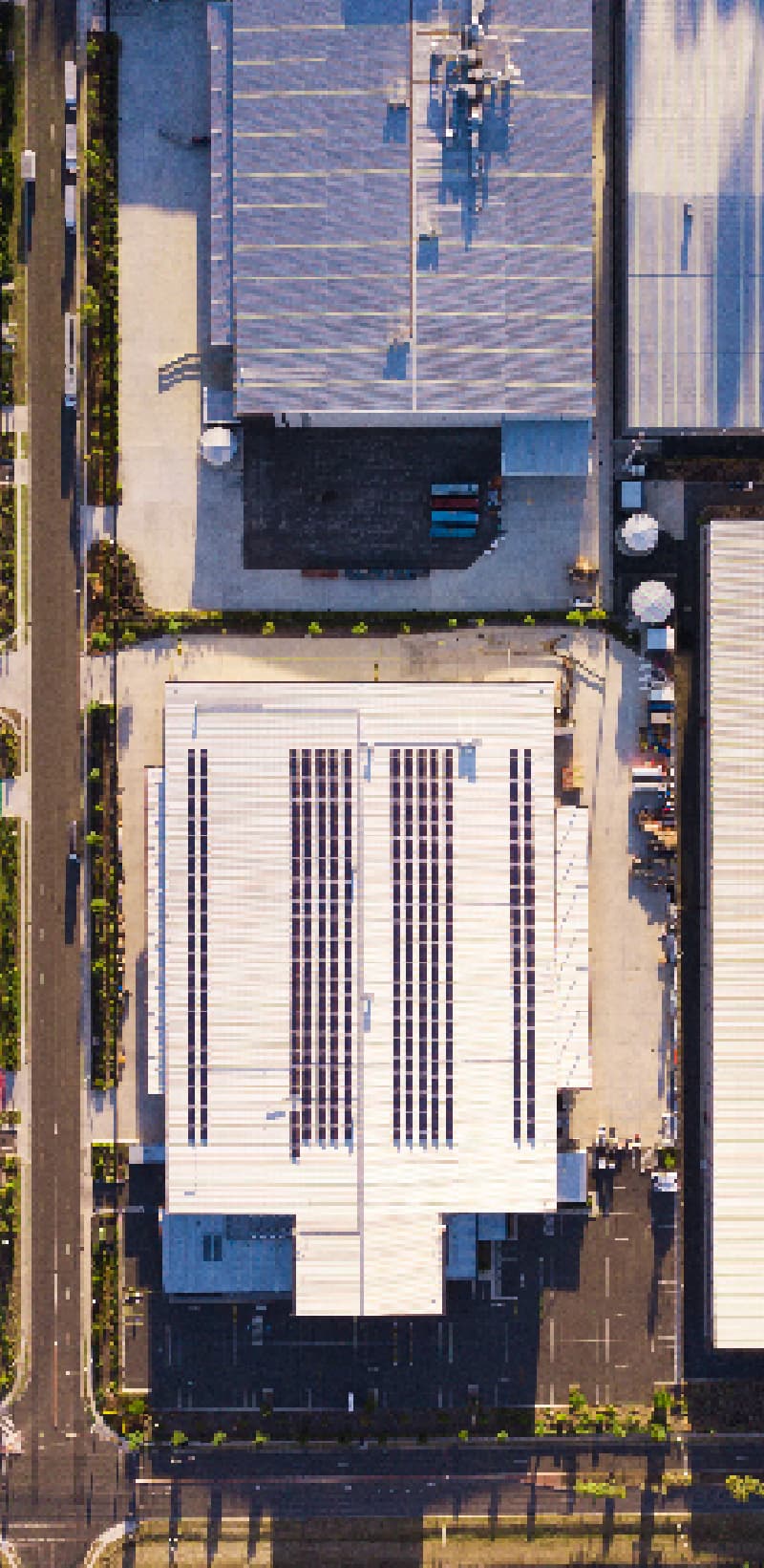
Brisbane's Outer South-West is the city's principal larger-format industrial growth corridor, spanning Darra, Wacol, Sumner, Oxley and neighbouring precincts along the Ipswich and Centenary motorways. Unlike the tightly-held inner suburbs, it still offers genuine scale — sites from 3,000 sqm to multi-hectare holdings — underpinned by three-motorway connectivity, the Acacia Ridge rail freight terminus and sustained demand from logistics, manufacturing and distribution.
The corridor
Why this corridor matters
The Outer South-West is where Brisbane's industrial market goes when it needs room to move. The corridor sits at the convergence of the Ipswich Motorway, the Centenary Motorway and — a short run south — the Logan Motorway, the three arterials that together carry the bulk of South-East Queensland's road freight. For an occupier whose business depends on moving goods, few addresses in the metropolitan area offer comparable reach to the Port of Brisbane, the airport, the western growth front and the interstate highway network from a single location.
What distinguishes this corridor from the rest of Brisbane is the continued availability of scale. The inner southern and Trade Coast precincts are largely built out and tightly held; here, by contrast, the south-west has accounted for a disproportionate share of greater Brisbane's industrial land take-up over the past decade and a half, supported by a deep pipeline of estates across Wacol, Heathwood, Redbank and Darra. That is why institutional capital has arrived in force — Charter Hall, ISPT, Aliro, Logos and the property arm of e-commerce giant JD.com have all committed substantial capital. It remains one of the few parts of Brisbane where a genuinely large, modern, single-tenant facility can still be delivered.
The demand drivers are structural rather than cyclical. Brisbane's industrial vacancy sat around 5 per cent at the end of 2025, with the South precinct recording the single largest fall in available space over the quarter — a market still absorbing stock faster than it can be delivered. Prime rents grew roughly 6 per cent over 2025 as incentives compressed. Behind those numbers is a durable shift: the growth of e-commerce and third-party logistics, the modernisation of manufacturing, the cold-chain and food-distribution networks feeding a fast-growing South-East Queensland population, and the infrastructure dividend of Inland Rail terminating at nearby Acacia Ridge.
For a permanent-hold investor, that combination — business-critical occupiers, hard-to-replicate locations, and a corridor that still produces the scale modern logistics requires — is precisely the point. Walter Taylor's interest in the Outer South-West is in the single-tenant industrial assets that sit at the centre of an operator's supply chain: the distribution centre, the manufacturing plant, the cold store, the trade-and-service facility a business cannot easily walk away from. We acquire through sale-and-leaseback, fund purpose-built development, and buy established assets, then hold and actively manage them for the long term.
Suburbs in this corridor
Where we go deep
Darra
Large-format logistics, manufacturing, build-to-suit estates
Wacol
Big-box logistics, distribution, cold storage
Sumner
Multi-unit strata, mid-sized warehouses, trade & service
Oxley
General-industry warehouses, distribution, light manufacturing
Richlands
Large-format distribution, food & beverage logistics, manufacturing
Also in this corridor
How we partner
Three ways we partner in the South-West Growth
Sale & leaseback
Own your premises here? Release the capital and lease it straight back on a long-term basis.
Learn more →Build / develop-to-suit
Need a facility that doesn't exist yet? We fund, build and hold it — then lease it to you.
Learn more →Acquire-to-suit & lease
Outgrowing your space? We acquire the building that fits your requirement and lease it to you.
Learn more →South-West Growth — questions
Why is the Outer South-West considered Brisbane's industrial growth corridor?
What transport infrastructure serves the corridor?
What types of industrial assets does the corridor contain?
Which occupiers and institutions are active in the corridor?
How does Walter Taylor approach assets in this corridor?
Start a conversation
Tell us your requirement
Talk to us directly about the premises your business needs — to outgrow, to free up capital, or to have built. One conversation with the people who decide.
We work with agents. If you’re an agent with a tenant requirement you can’t place or an off-market opportunity, bring it to us.